Fellow
Amalya Rajparia
Amalya Rajparia
Amalya Rajparia has been part of Pseads since 4th grade, growing from volunteer to research fellow and peer mentor. As a Lambert Light Fellow, she designed and carried out an independent research project on the lasting impact of birth stories, collecting both structured data and intimate interviews from over 100 participants. Her work culminated in a peer reviewed journal publication (Curieux, Aug 2025), a keynote address on maternal narratives and generational shifts, and an audio documentary she researched, scripted, and produced. She supported the expansion of the fellowship to other high school and middle school students and now provides mentorship to new fellows.
Amalya also launched a program to secure scholarships to bring students from across Marin to participate in a unique educational opportunity through the Bioneers Conference at UC Berkeley. Her commitments extend beyond research and advocacy: she is a dedicated tennis player and shares music weekly with elders in an assisted living community, where her piano playing brings comfort, joy, and companionship to residents each week.
Fellowship Project Description
The Lasting Impact of Birth Stories: Maternal Narratives, Generational Shifts, and Identity Formation
A birth story is more than a personal account of childbirth; it frames the cultural narrative that shapes our understanding of the human experience, maternal health, and community dynamics.
Beyond its immediate personal significance, the sharing of birth stories plays a crucial role in fostering connections among individuals who have undergone similar experiences and in preserving the memory of a significant life event. Moreover, birth stories are increasingly recognized across diverse academic disciplines, including psychology, sociology, anthropology, and medical fields, for their profound impacts on individual well being and societal understanding.
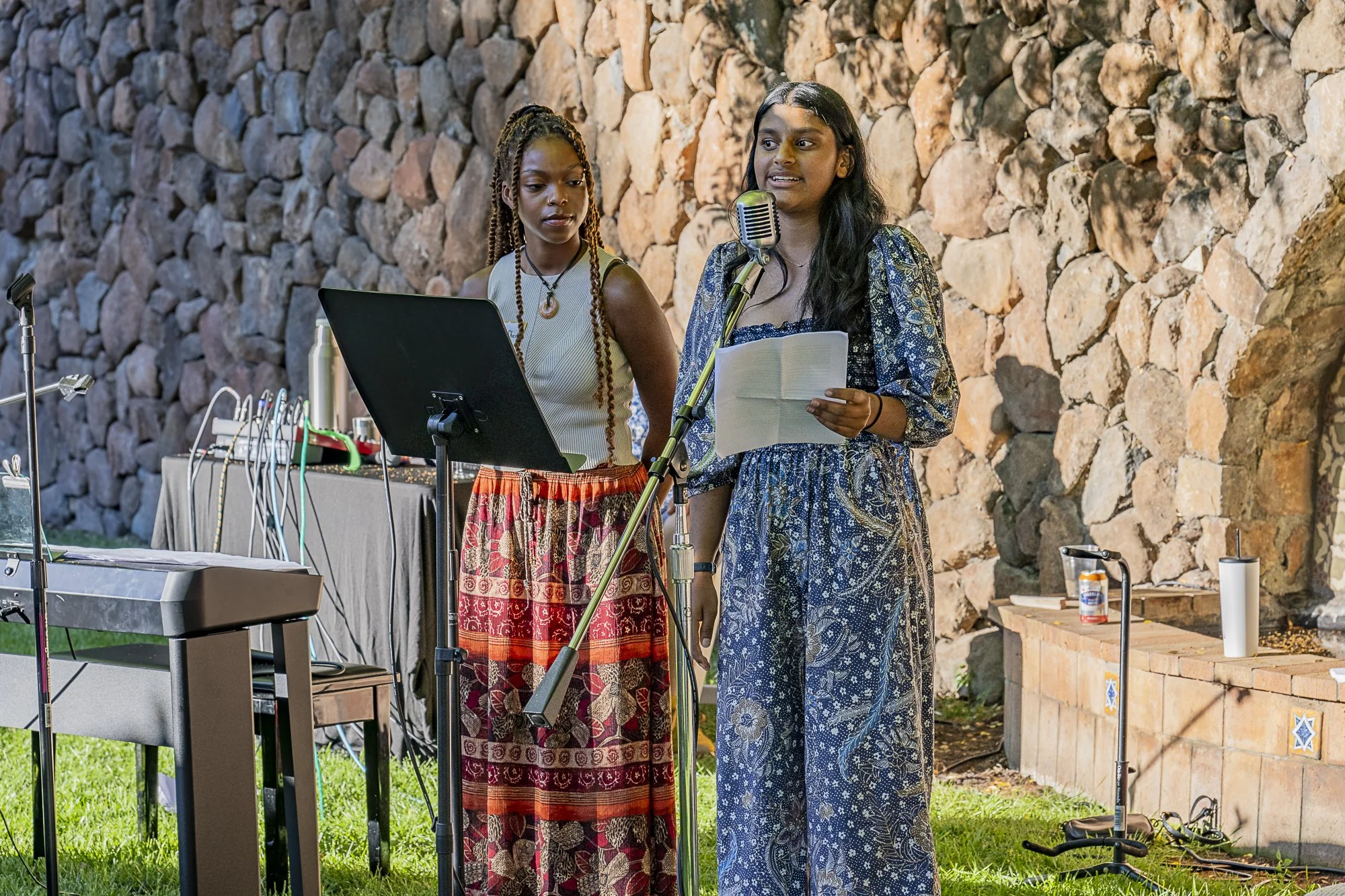
Amalya and SenSaSheri at Harvest of the Heart, 2024
Gap in Research
While existing research has explored various facets of birth stories—from their therapeutic benefits in psychology to their cultural significance in anthropology—there remains a notable gap in understanding how knowledge and awareness of one’s own birth story influences personal development and societal roles. This study aims to fill this gap by investigating the significance of personal birth story awareness.
This research closely aligns with the principles of narrative medicine, which emphasizes the value of storytelling in fostering empathy, improving communication, and humanizing healthcare. By exploring how birth stories shape identity, relationships, and health attitudes, this study highlights the therapeutic benefits of storytelling, a core tenet of narrative medicine.
Birth narratives empower individuals, especially women, by fostering agency in healthcare decisions and challenging the mechanization of childbirth. They also open conversations about critical women’s health issues, such as breastfeeding, C-sections, and childbirth risks, improving communication between patients and providers.
Additionally, this study’s focus on intergenerational and cultural shifts in childbirth practices reflects narrative medicine’s emphasis on understanding cultural contexts to offer more personalized and sensitive care. Ultimately, this research shows the transformative power of personal narratives in healthcare.
Pseads at Bioneers
After participating in the Bioneers’ Conference at UC Berkeley – a gathering of environmental activists, Indigenous leaders, and social innovators from around the world – Amalya participated in Bioneers’ Indigeneity Program. Inspired by this experience, Amayla connected other students with Bioneers and helped connect Pseads with scholarships and other opportunities for young people interested to attend the conference.
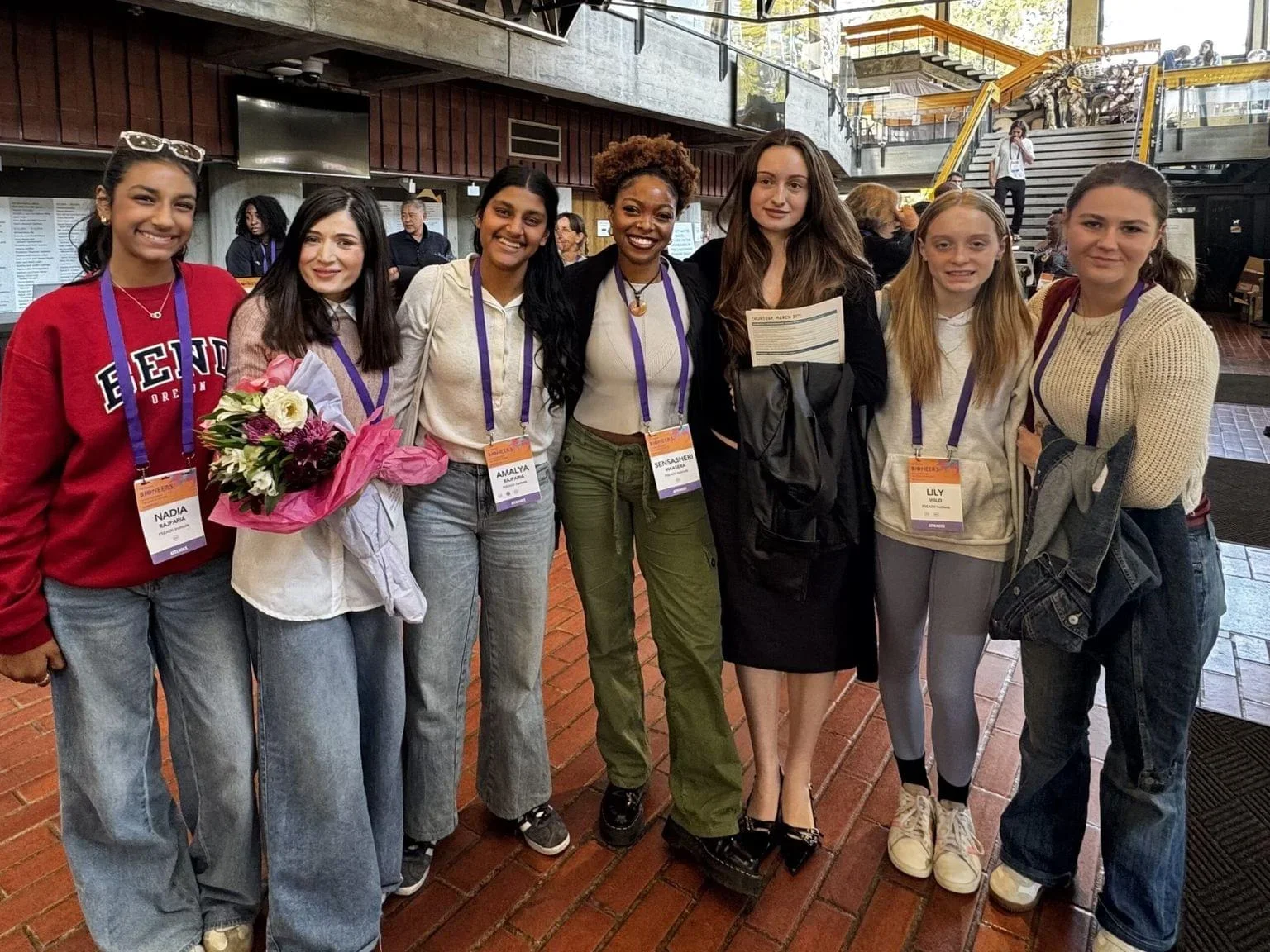
Amalya and Pseads Fellows at Bioneers, 2025