
Pseads History
The Worldview Literacy Project
Elizabeth and Matt first worked together as Research and Education Fellows and Founding Directors of The Worldview Literacy Project at the Institute of Noetic Sciences, founded by Apollo astronaut Edgar Mitchell. Designed to integrate science, psychology and civic engagement, The Worldview Literacy Project was successfully piloted with over 1,000 students, educators, and healthcare and business professionals across five countries.
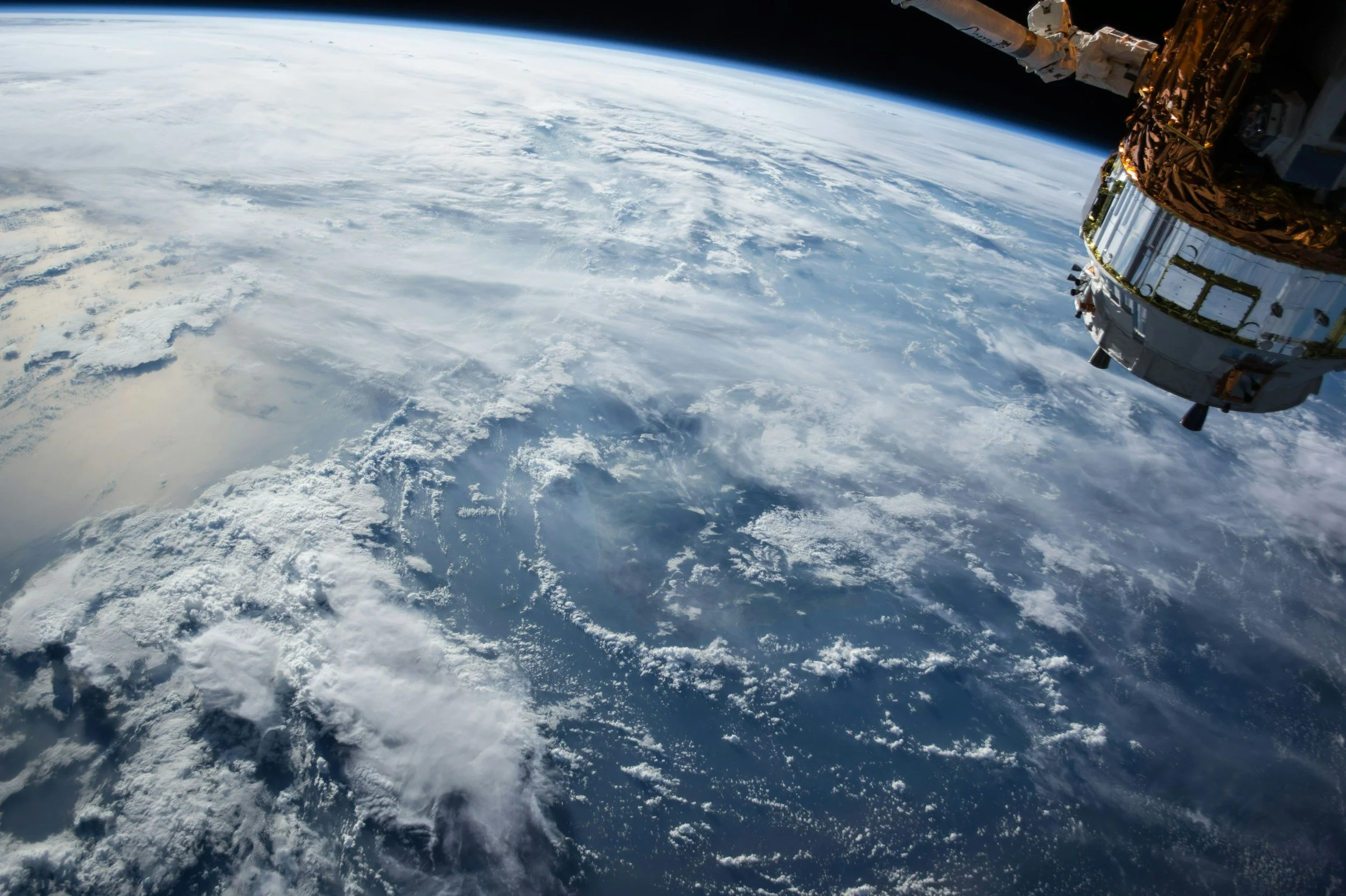
Grounded in Edgar's space travel experience – including his moon landing, and perspective of the Earth from space – the program strengthened self-awareness, empathy, and critical thinking to support individual and community well-being and more thoughtful, imaginative civic participation across generations. This is also where Elizabeth and Matt first met Belvie Rooks and Dedan Gills, and through their warmth, example and guidance began to learn about intergenerational collaboration in completely new ways. Dedan became one of Pseads' founding board members, and Dedan and Belvie continue to inspire the Pseads team every single day with their humanity, generosity and revolutionary ways of bringing people together.
The Universe Live on the MIC
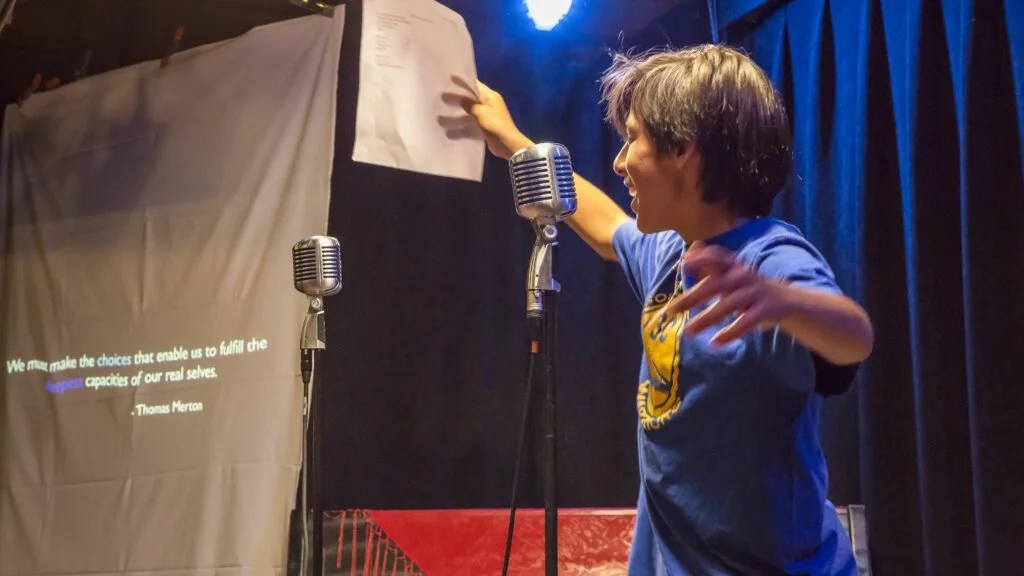
The second official program under Pseads, this co-curricular learning and leadership experience was designed for and with first-year university students in collaboration with faculty across multiple university departments. The program integrated the humanities, science, cosmology, poetry, music, and mixed-media arts to build a foundation for innovation, strengthen confidence in learning, and support students’ transition into college life and identity within community.
In addition to classroom learning and seminars, the experience included a series of live events, student showcases, and campus visits from speakers across disciplines – including scientists, humanitarians, artists, and other thought leaders – bringing diverse perspectives directly into the learning environment. Students met one another in an intentionally designed, empowering context and quickly formed a strong sense of belonging as a large, connected cohort from the start of their college experience. The program contributed to increased retention and supported the development of more than 500 student-led projects and initiatives. It was also where Elizabeth and Matt met Jenae Casalnuovo, who became Pseads’ first Fellow – and later its first full-time employee.
Educational Consultants
Pseads served as a program design partner and educational consultant for a range of initiatives that center youth voice, expand opportunity, and strengthen civic engagement, environmental care, and community cohesion. This includes the second year of Redford Center Stories, an environmental justice filmmaking initiative. In year two, the project expanded its reach by more than 300%, and introduced new events that brought students into dialogue with documentary filmmakers and humanitarian leaders.
The Pseads team also designed and helped implement over six years of curriculum and programming for Children for Change, a community engagement nonprofit that supports younger students to learn about and impact critical community needs. Additional consulting work has included support for Growing a Global Heart and Reimagine Science. In partnership with Kennan Salinero and Reimagine Science, Pseads poets shared their work at TEDx Reimagine Science, with video poems later featured by TED Online. Elizabeth and Matt also designed literacy curriculum for Bridge the Gap College Prep in Marin, California during their time on staff with Bridge the Gap’s middle school division, and provided consulting alongside other educators for the Apollo Stories program with the Apollo Theater in New York. Pseads is currently exploring a new collaboration with the Hannah Project.
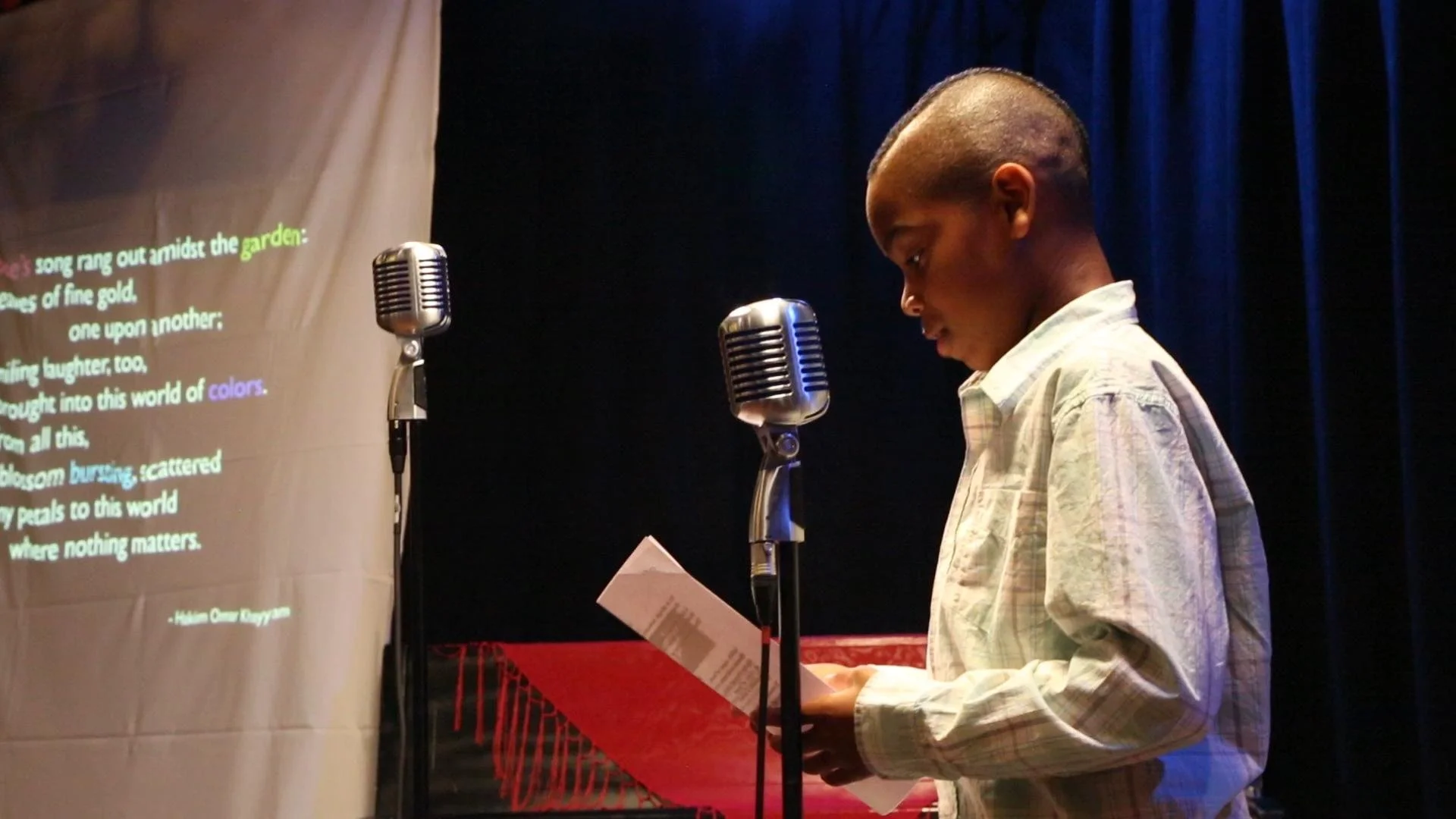
BLUE SKIES, BRIGHT STAR SCIENCE & POETRY PROGRAM
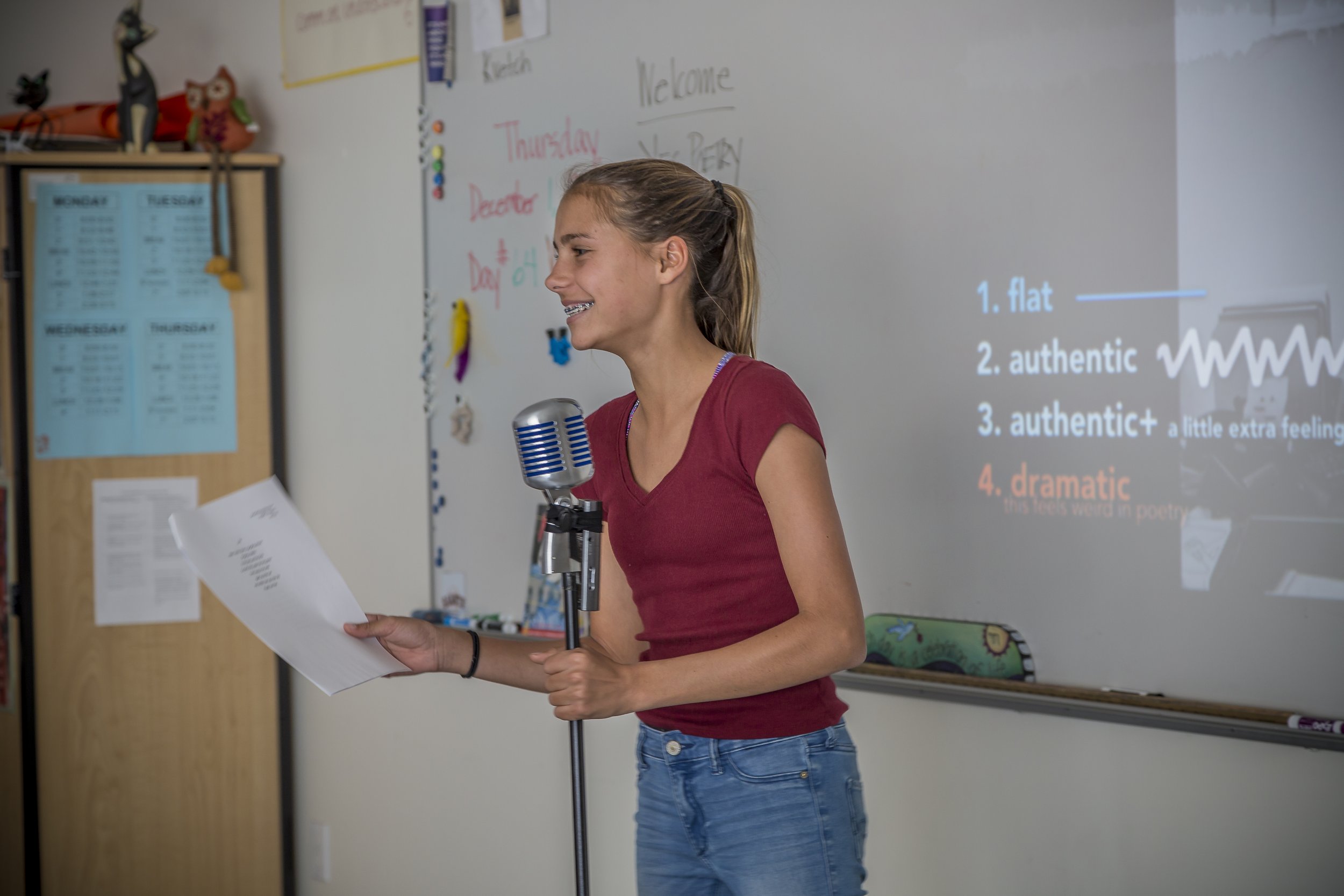
Alongside teaching high school and college courses and seminars in Berekely, Oakland, and across the Bay Area, Matt and Elizabeth developed an 8-week learning experience for students in Grades 2-8 that integrates the humanizing power of poetry and reflective writing with the joy and acuity of science. The Blue Skies Bright Star Science & Poetry Program was designed to explore the roots of human curiosity, creativity, storytelling, and innovation while building foundational literacy, communication, and reflective thinking skills.
This program is currently in its 12th year, this grass-rooms program grew from five classrooms in a single district to serving over 3,000 students a year across nine districts. It has since evolved into its current iteration, Hope on the Rize. Designed with a deep commitment to educational equity, opportunity for all students, and learning across the lifespan, the program also emphasizes early career pathway awareness and pre-vocational skills that help students see themselves as capable contributors to their communities at every stage of life. The program has led to improvements in student grades, writing and literacy scores, science engagement, and attendance. In collaboration with educators, this initiative has helped set new benchmarks for asset-based learning, art-science integration, and community-building in classrooms. Students who have struggled in traditional academic settings often experience unexpected success in this program, which is grounded in the belief that every learner has a unique voice, intelligence, and constellation of gifts.
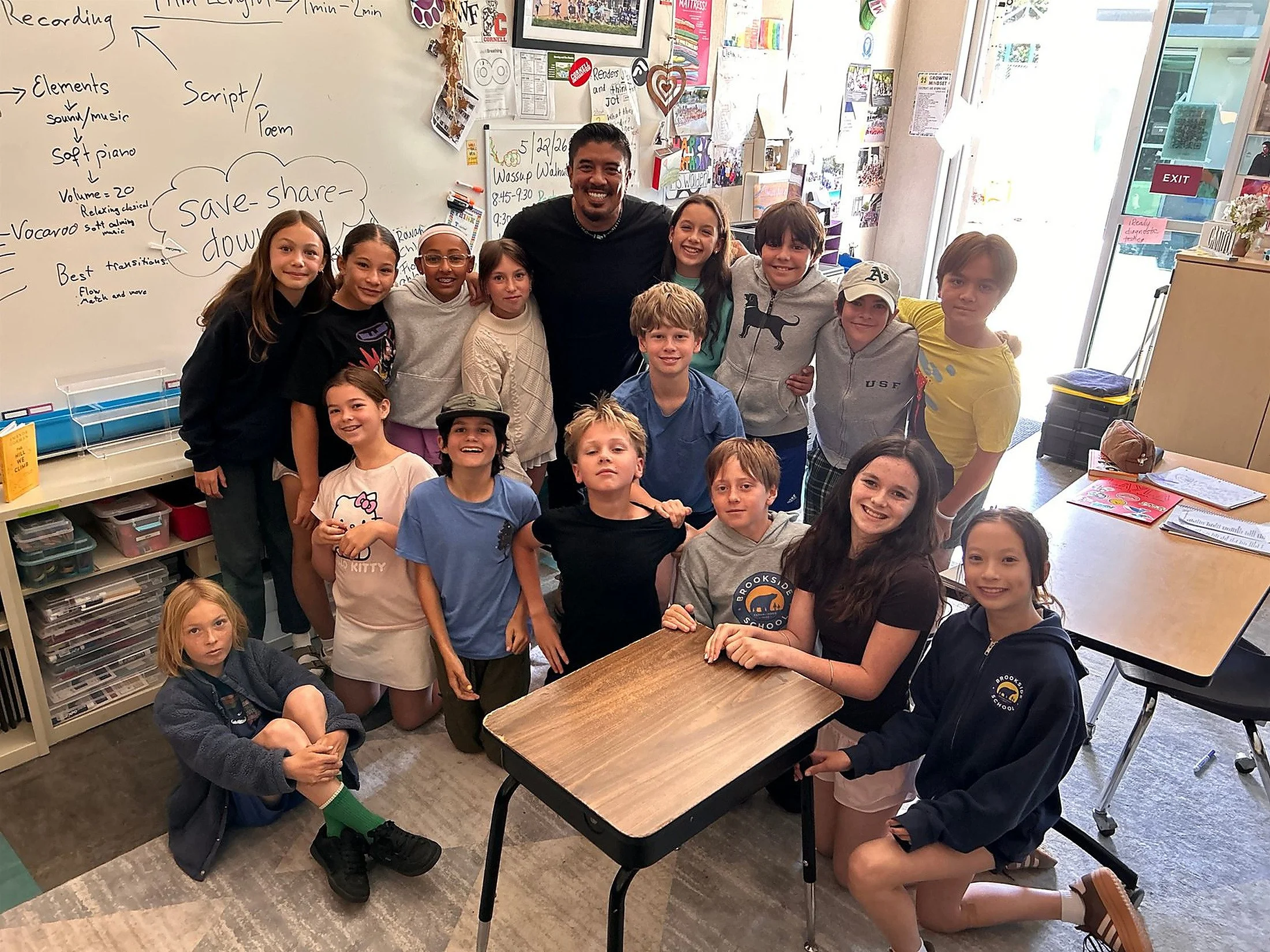
HOPE ON THE RIZE
Pseads’ newest initiative, inspired by mentors Belvie Rooks and Dedan Gills, the legacy of photographer and writer Susan Lambert, and the voices and visions of students and educators across classrooms of all kinds. Hope on the Rize is a cross-disciplinary, 8- or 10-week creative writing curriculum and short film project for students Grades 5-8 that supports young people in developing and applying their voices as creators of social change and activators of a more peaceful and just future.
The project explores themes of dignity, health, ecology, connection, and community – inviting students to see their stories as part of a larger collective narrative. Working with partner organizations, a tree is planted for every student film completed; to date, more than 3,700 trees have been planted. This project brings student work out of the classroom, and the Pseads Mother Tree Council – a group of scientists, engineers, humanitarians, photographers and filmmakers, social entrepreneurs, and designers – help Pseads view films, respond to student creativity, and uplift and celebrate student voices.